Nunnallee Inspections

Residential

Know the House Before It’s Yours

Home, new construction, 11-month warranty and pre-listing inspections across Greater Austin. Locally owned since 2003.

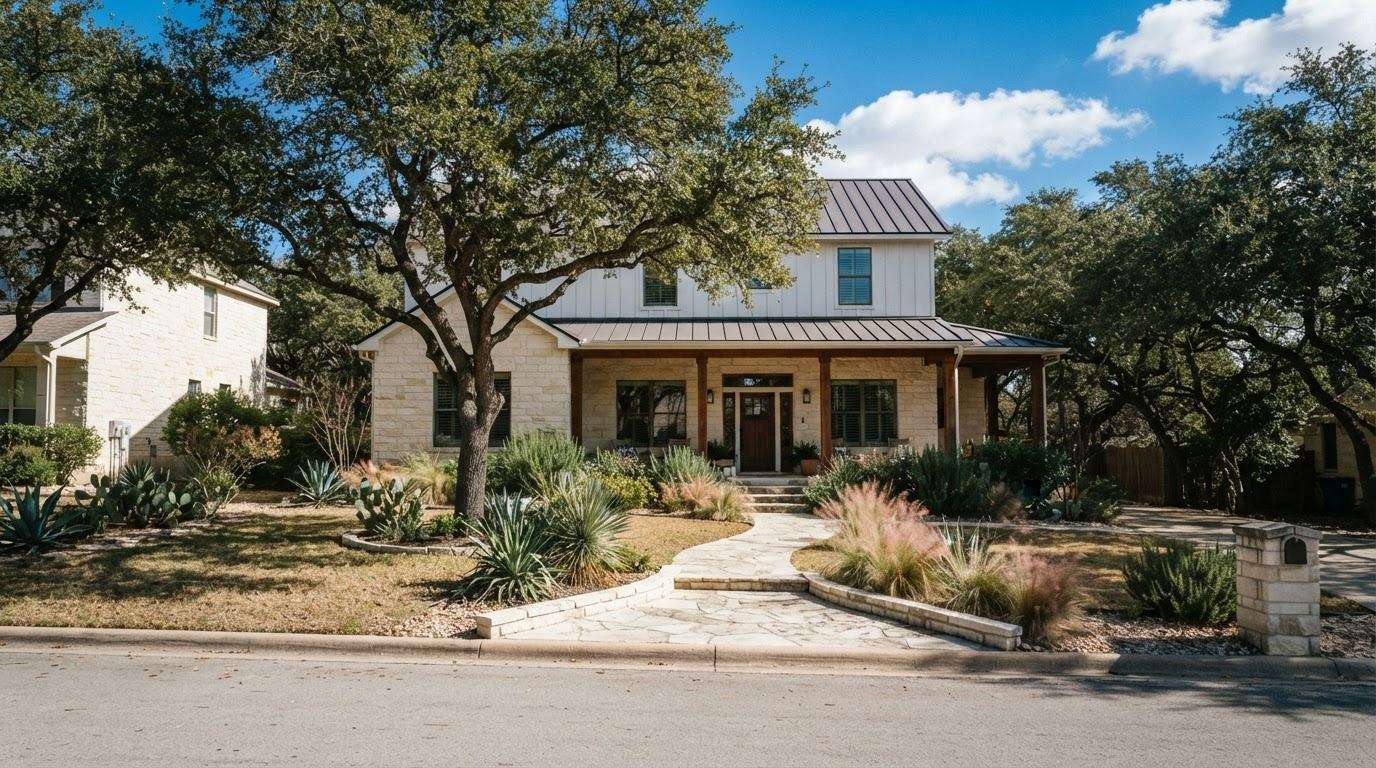
Two-story home with a limestone ground floor, white board-and-batten siding and a metal roof, behind a live oak and native plants

Which inspection do you need?

How the Residential Inspection Process Works

Home Inspection

You get a photo-documented report on the house’s condition and the repairs it needs.

A home inspection is a visual inspection of a house’s structure and systems that are accessible on the day. The inspector evaluates the major systems, how they work together and what needs watching, repair or replacement. Texas home inspections follow the Standards of Practice adopted by the Texas Real Estate Commission (TREC).

When to Book

As soon as you have a signed contract. The option period, when a standard Texas contract lets you back out, is short. Book early and leave time to act on the report.

What We Inspect

  • Foundation
  • Roofing
  • Exterior walls and siding
  • Porches and decks
  • Attic
  • Electrical systems
  • Plumbing systems
  • Interior
  • Doors and windows
  • Heating and cooling (HVAC) systems
  • Ventilation
  • Fireplaces

What Sits Outside the Inspection

  • Anything concealed, inaccessible or not visible on the day of the inspection.
  • Destructive or invasive testing. Walls, floors and ceilings aren’t opened up.
  • Engineering analysis. If something needs a closer look, the report says what kind of engineer or specialist to call.
  • Repairs or repair referrals. We don’t repair or refer work on homes we inspect, so there’s no conflict of interest.
  • Code compliance certification or an appraisal of value.
Home Inspection Details

How the Residential Inspection Process Works

New Construction Home Inspection

Before you close on a new home, an inspector working for you checks what the builder’s final walk-through can miss.

A new construction inspection is a complete home inspection of a newly built house before closing. It follows the same TREC Standards of Practice as an inspection of any other home.

When to Book

Before closing, while you can still raise findings with the builder. Plan an 11-month warranty inspection for later in the first year.

What We Inspect

  • Foundation and visible structure
  • Roofing and flashing details
  • Exterior walls, siding and drainage away from the structure
  • Attic, insulation and ventilation
  • Electrical systems and installed fixtures
  • Plumbing systems, fixtures and drainage
  • Heating and cooling (HVAC) systems and distribution
  • Doors, windows and interior finish

What Sits Outside the Inspection

  • Anything concealed behind finished surfaces at the time of the inspection.
  • Code compliance certification, which is the municipal inspector’s job.
  • Handling warranty claims with the builder. The report documents what was found, and the claim is between you and the builder.

New Construction Details

11-Month Warranty Inspection

In month 11, we perform a complete home inspection. You get documentation to use with your builder while the warranty is still open.

An 11-month warranty inspection is a home inspection done shortly before a new home’s one-year builder warranty ends. You use the report when you fill out warranty paperwork or meet with the builder about warranty items.

When to Book

  1. Step 1: Month 11

    Book the inspection during month 11 of the warranty, after nearly a year of settling.

  2. Step 2: The Report

    Use the report to list the items to raise with your builder.

  3. Step 3: Before Month 12

    Submit warranty items to your builder before the one-year deadline.

What We Inspect

  • Foundation and visible signs of structural movement
  • Roofing, flashing and attic
  • Exterior, grading and drainage
  • Electrical systems
  • Plumbing systems and fixtures
  • Heating and cooling performance
  • Doors, windows and interior finishes
  • Cracks, gaps and sticking doors or windows from settling

What Sits Outside the Inspection

  • Deciding what your builder’s warranty covers. Your warranty document sets that out.
  • Negotiating with the builder on your behalf.
  • Anything concealed or inaccessible at the time of the inspection.

11-Month Warranty Details

How the Residential Inspection Process Works

Pre-Listing Inspection

Get a complete inspection report on your home before it goes on the market. Then decide what to repair, disclose or reflect in the price.

A pre-listing inspection is a home inspection the seller orders before listing. It points out potential problems before a buyer’s option period, their window to back out of the contract.

When to Book

Before you list. Leave enough time to line up any repairs you choose to make.

What We Inspect

  • The same scope as a standard home inspection: foundation, roof, attic, exterior, electrical, plumbing, heating and cooling (HVAC), interior and more

What Sits Outside the Inspection

  • Any guarantee that the buyer’s inspector will reach the same conclusions.
  • Repairs or repair referrals. We don’t repair or refer work on homes we inspect.
  • Advice on what to disclose.

Pre-Listing Details

Add-On Services

Some add-ons go on your online booking, and others take a call to the office. Tell us about the property, and we’ll suggest what it needs.

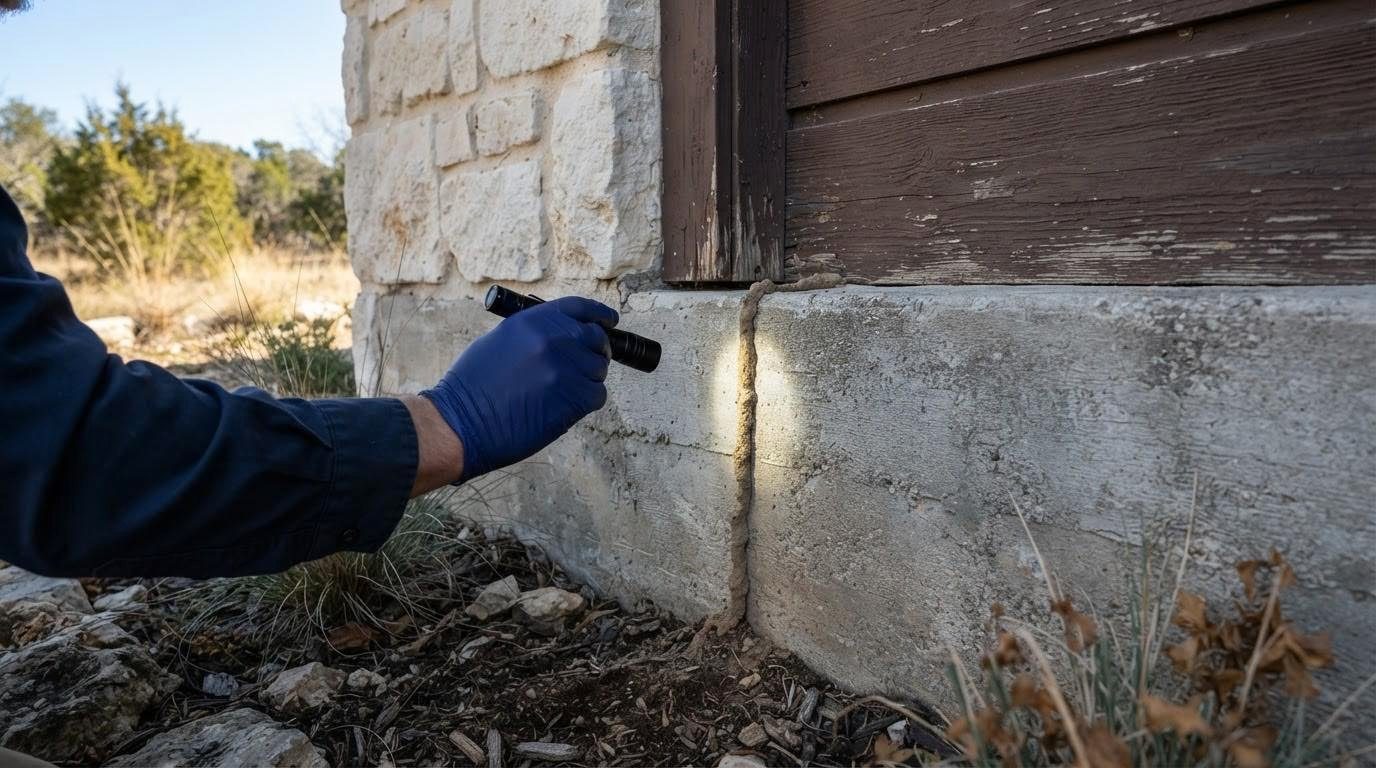
  • WDI (Termite) InspectionOlder house, big trees or heavy landscaping

    Find out whether termites or other wood destroying insects have left their mark before the house is yours.

    What We Check

    • Visible evidence of active wood destroying insects
    • Visible evidence of previous infestation
    • Visible damage from wood destroying insects
    • Conditions that invite infestation, such as wood touching soil, moisture, debris and plants against the house

    Add it when you schedule. It’s done on the same visit as your home inspection.

    WDI / Termite Details

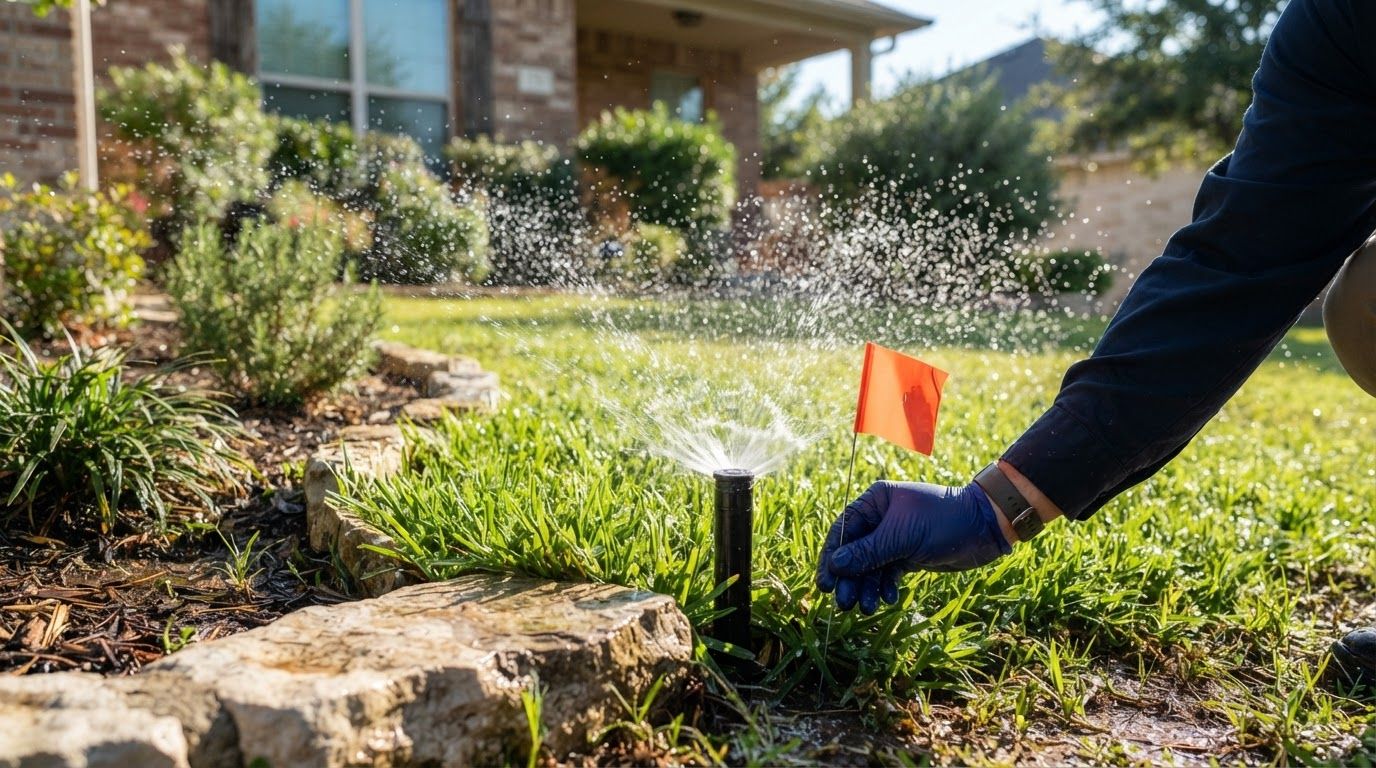
  • Irrigation / Sprinkler InspectionThere’s an irrigation system

    A sprinkler system can look fine while it’s off. Running it shows how the controller, zones and heads actually work.

    What We Check

    • Controller operation and zone programming
    • Each zone, run in turn
    • Sprinkler head condition, alignment and obvious coverage problems
    • Visible leaks, breaks and pooling
    • Visible backflow prevention device

    Add it when you schedule, alongside your home inspection.

    Irrigation Details

  • Zip Level Foundation ReadingsCracks, sloping floors or doors that stick

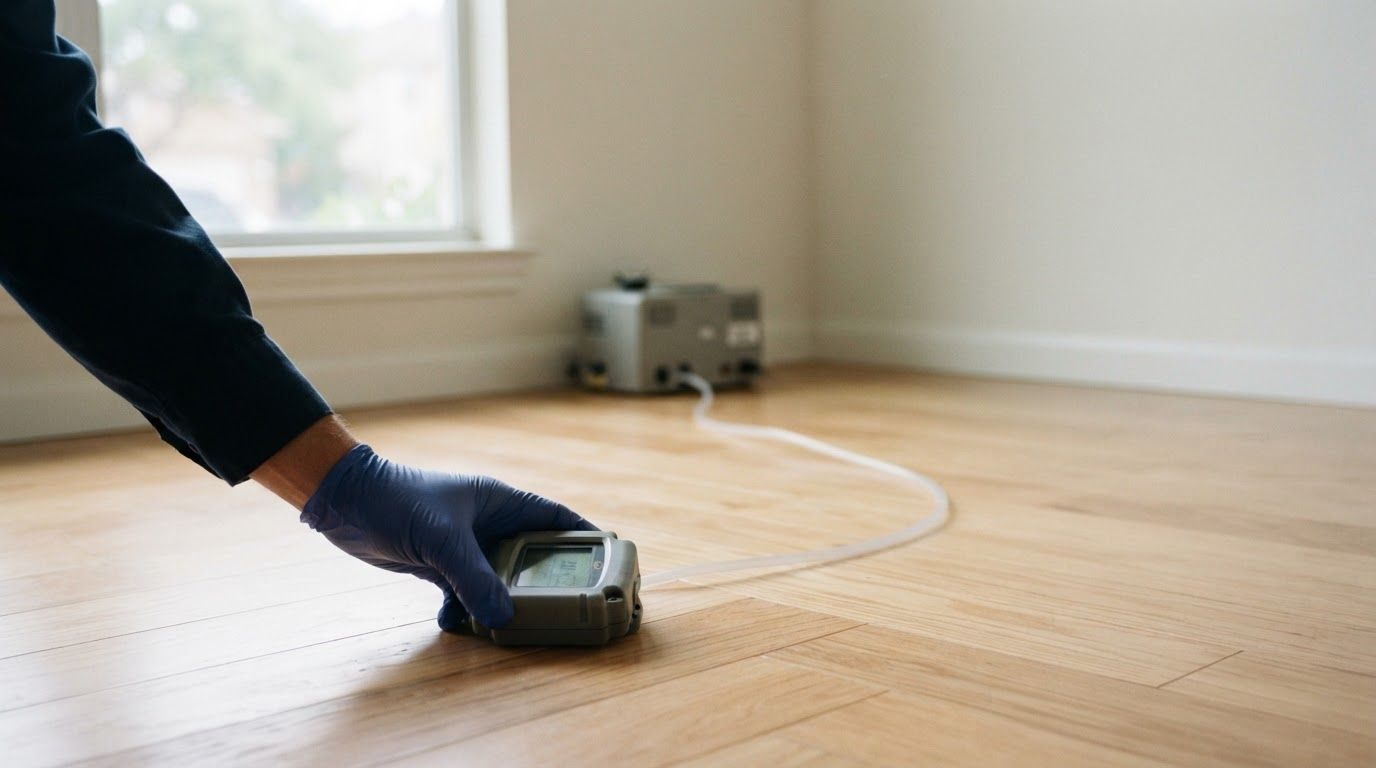
    Zip Level readings measure the height of the floor at points across the house, so you have numbers to go with what you see.

    What We Check

    • Floor elevations at points across the house
    • High and low points against a single reference point
    • Differences in height from one area of the floor to another

    Call 512-415-5474 to add Zip Level readings to your home inspection.

    Zip Level Readings Details

  • Sewer Scope InspectionAn older house, or large trees near the sewer line

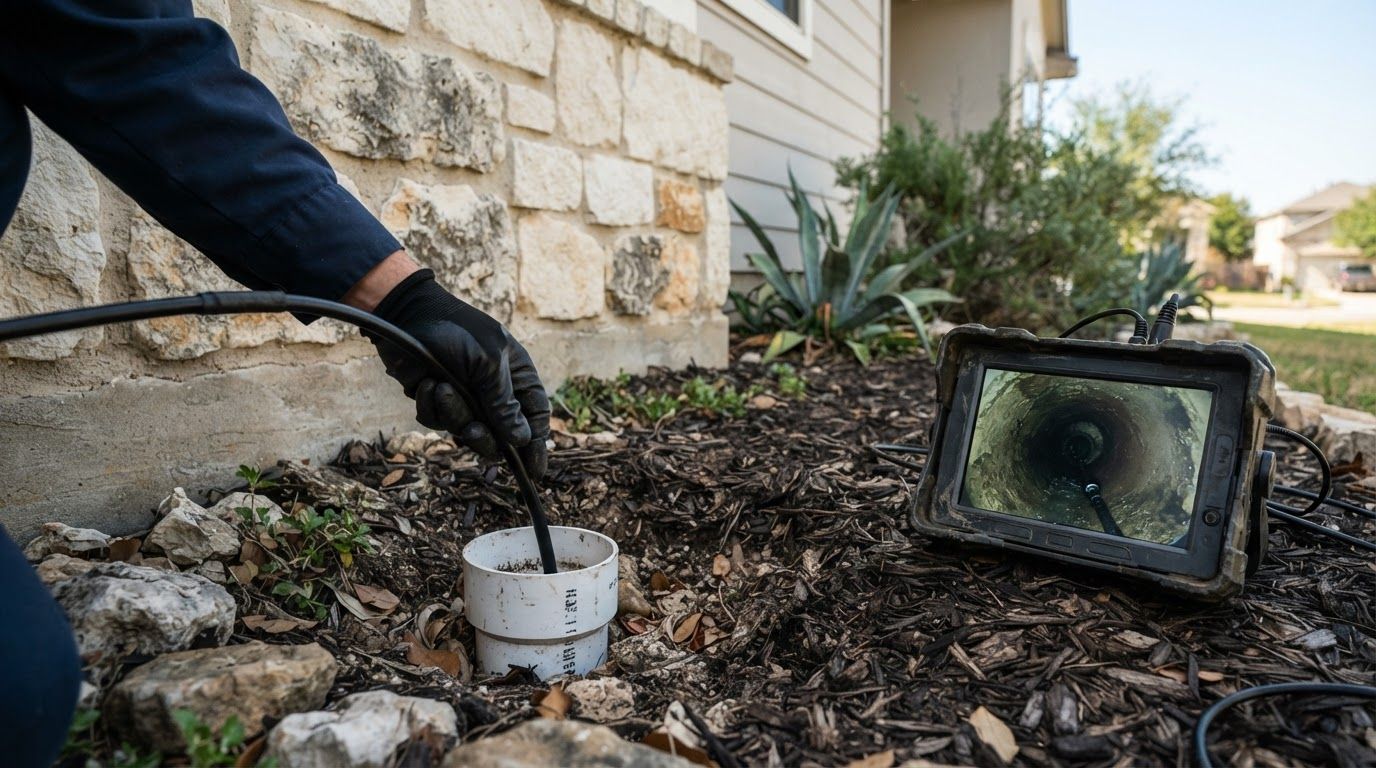
    The pipe that carries wastewater away from the house is buried, so a home inspection can’t see into it. A sewer scope puts a camera inside.

    What We Check

    • The inside of the main sewer line, as far as the camera can travel
    • Roots growing into the pipe
    • Cracks, breaks and separated joints
    • Offsets and low spots (bellies) that hold water
    • Blockages and buildup

    Call 512-415-5474 to add a sewer scope to your home inspection.

    Sewer Scope Details

  • Pool & Spa InspectionThe property has a pool or spa

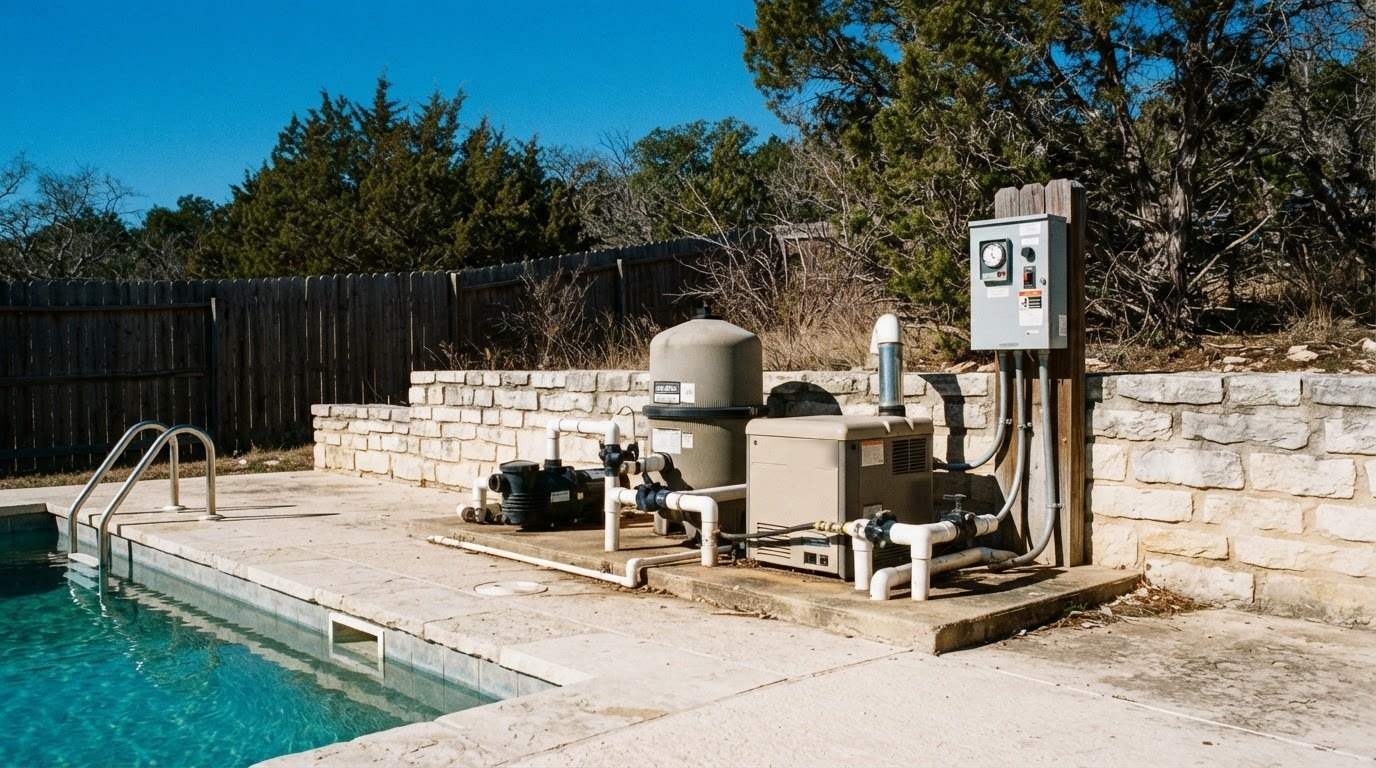
    Know how the pump, filter, heater and controls are working before the pool becomes yours.

    What We Check

    • Electrical panel serving the pool or spa
    • Pump, filter and heater
    • Controls and every other operable part of the system
    • Visible plumbing
    • Visible equipment condition and installation

    Ordered with your home inspection and done on the same visit. Call 512-415-5474 to ask about a pool inspection on its own.

    Pool & Spa Details

  • Septic System InspectionThe property is on acreage or outside city limits

    Many homes on acreage around Austin use septic instead of city sewer. Add a septic inspection when you book, and we’ll confirm the arrangements by phone.

    What We Check

    • Accessible system components
    • Visible condition of tank access points
    • Observed operation during the inspection
    • Surface conditions at the drain field or spray area
    • Controls and alarms, where the system has them

    Ordered with your home inspection. Call 512-415-5474 with the property address and county.

    Septic Details

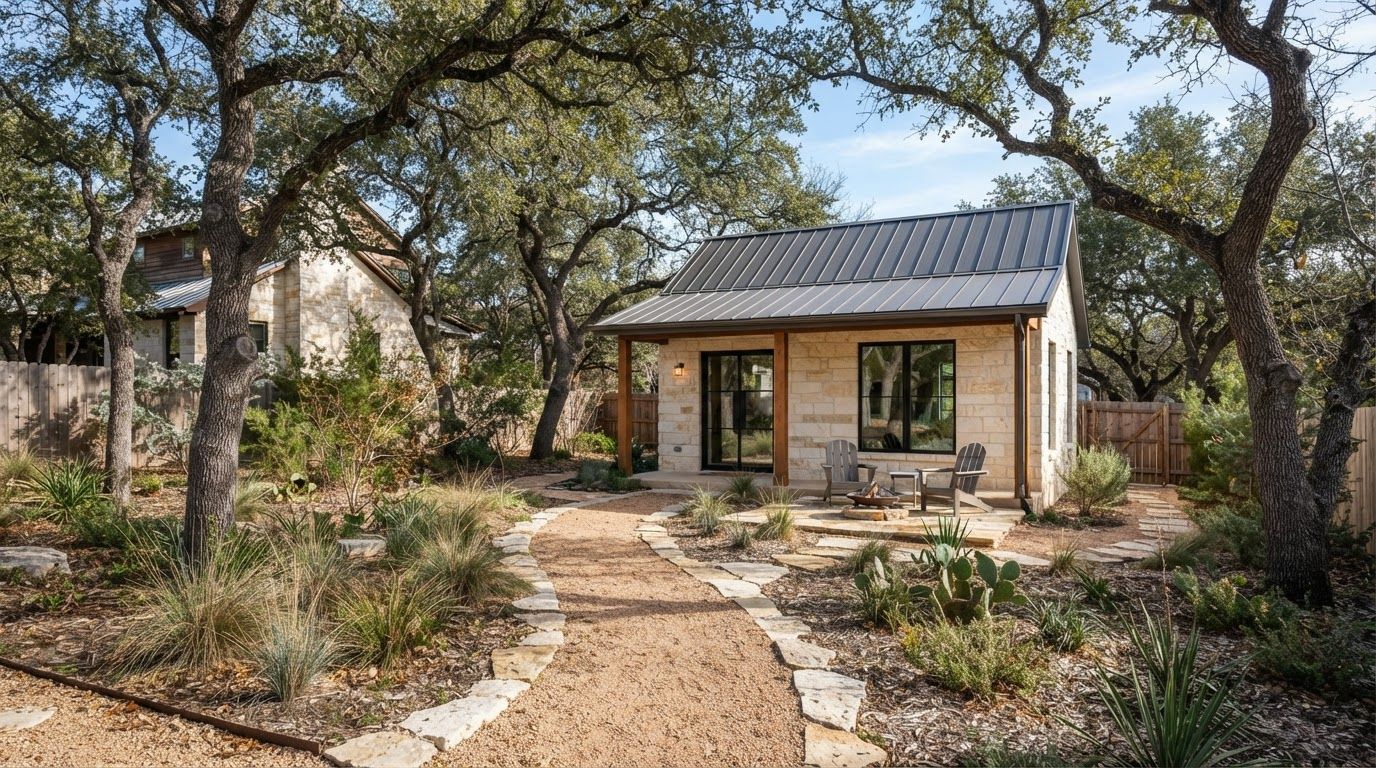
  • Outbuilding or ADU InspectionA guest house or other accessory dwelling unit (ADU), or a workshop

    A detached guest house, garage apartment or workshop isn’t part of a standard home inspection. Add it to your home inspection to cover that building.

    What We Check

    • The building’s structure, roof and exterior
    • Electrical, plumbing, heating and cooling, where the building has them
    • Doors, windows and interior
    • Kitchen and bathroom fixtures in a dwelling unit

    Call 512-415-5474 to add an outbuilding or ADU to your home inspection.

    Outbuilding or ADU Details

  • Infrared Thermal ImagingYou’re worried about hidden moisture or heat loss

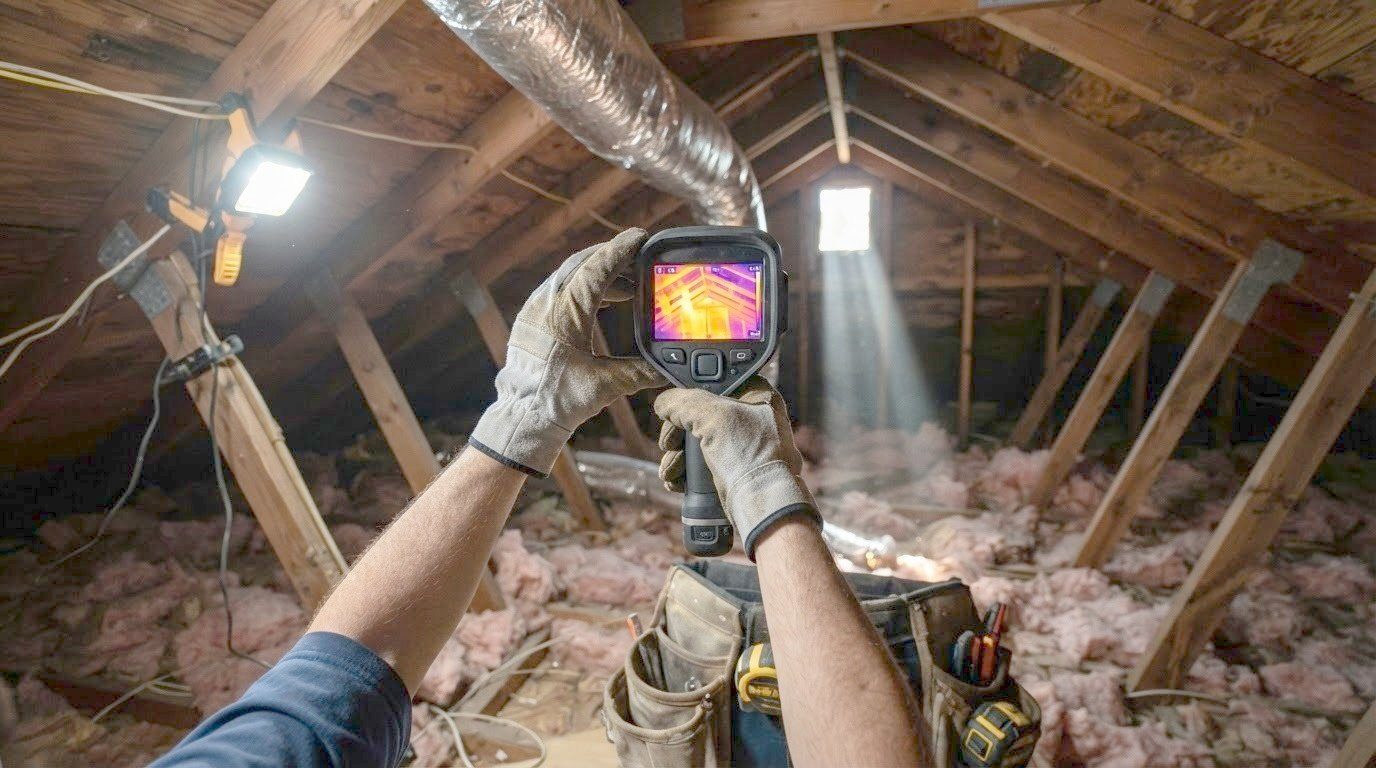
    A thermal camera picks up warm and cool spots the eye can’t see. The inspector uses them to flag places that need a closer look.

    What We Check

    • Temperature patterns that can point to hidden moisture
    • Signs of missing, displaced or inadequate insulation
    • Signs of energy loss around windows, doors, walls and ceilings
    • Unexpected hot spots at electrical components
    • Uneven temperatures at heating and cooling supply vents

    Added to your home inspection when available. Call 512-415-5474 to check your date.

    Thermal Imaging Details

  • Pier & Beam CrawlspaceThe house sits on piers over a crawlspace, not on a slab

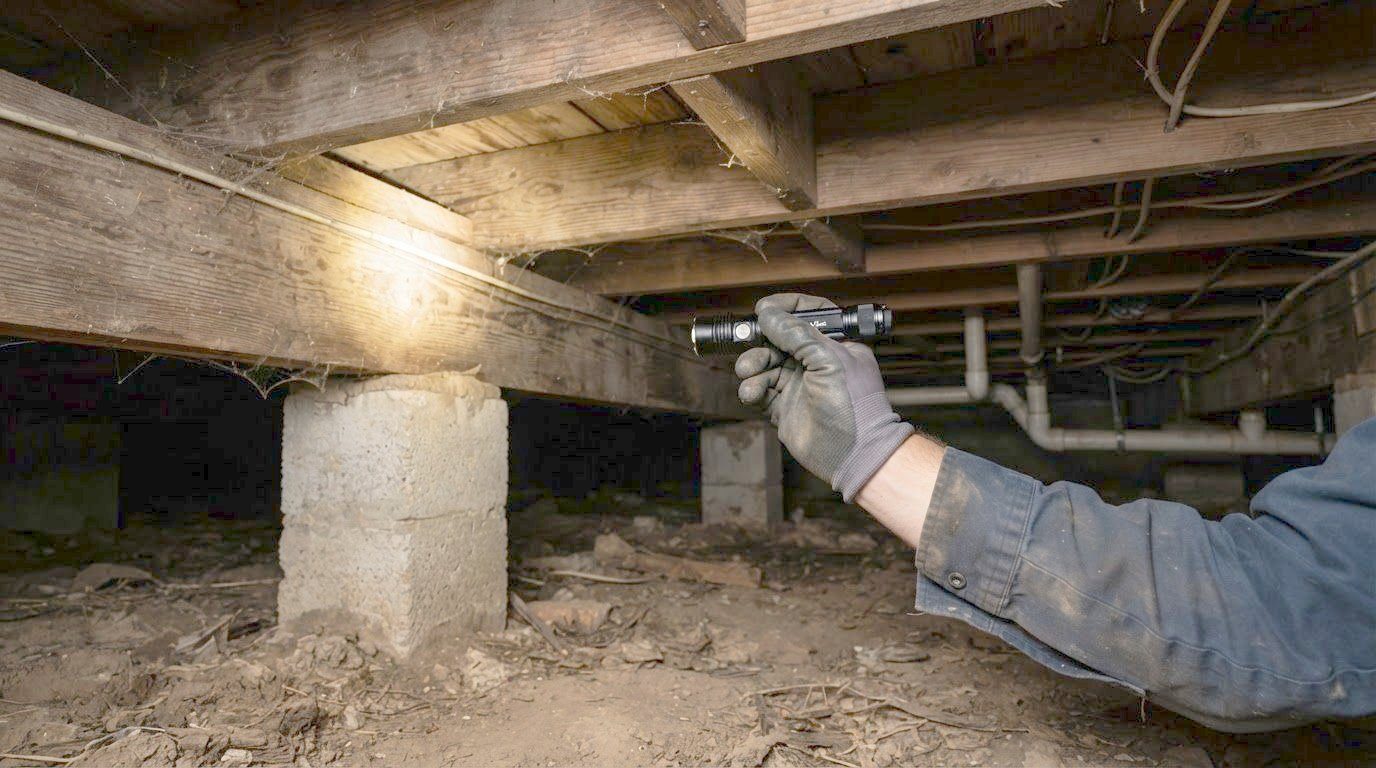
    A pier-and-beam house sits on piers over a crawlspace, and what holds it up is under the floor. The inspection includes the crawlspace, so tell us the foundation type when you book.

    What We Check

    • Piers, beams, sill plates and floor joists
    • The underside of the subfloor
    • Moisture, standing water and ventilation in the crawlspace
    • Plumbing, wiring and ductwork under the floor

    Tell us the foundation is pier and beam when you book, or call 512-415-5474. The foundation type sets the fee.

    Pier & Beam Crawlspace Details

Common Questions

Do I need a pre-listing inspection before I put my house on the market?

A pre-listing inspection points out problems a buyer’s inspector might find later. Finding them early lets you repair them, disclose them or price for them before you list.

The city already inspected it. Why inspect again?

City inspections check code compliance at set stages of the build. They aren’t a condition report written for you.

Why month 11 and not month 12?

Because you need time. Booking in month 11 leaves room to get the report, review it and submit warranty items before the one-year deadline.

Do you inspect during construction?

Our new construction inspection happens once the home is finished, before closing. For checks during the build, call us.

How much does a home inspection cost?

Fees depend on four things: the square footage, the age of the home, the number of heating and air conditioning units, and the location. Call the office or start the online scheduler for a quote on your home.

Will I have to disclose what the inspection finds?

Your disclosure obligations are for you and your agent to work out. Our job is to inspect the home and report what we see.

How long does a home inspection take?

It depends on the age, size and upkeep of the home, plus any add-on inspections you order, such as a sprinkler or WDI (termite) inspection. Call the office with the details, and we’ll estimate it before you schedule.

When should I schedule the inspection?

If you’re buying, book as soon as you have a signed contract. Your option period, when you can still back out of the contract, is short, and bank-owned (REO) sales often allow even less time. If you’re selling, a pre-listing inspection before you list gives you time to make repairs.

Should I be there for the inspection?

You don’t need to be there for the whole inspection. Arrive near the end, and the inspector will walk you through the findings, answer questions and share maintenance tips. Sellers: please give the buyer this time with the inspector.

Can I be there as the seller?

Yes. When you order the inspection as the seller, you’re welcome to be there and go through the findings with the inspector.

When will I receive the inspection report?

Most reports arrive by email as a PDF within 24 hours of the inspection. The report covers the major systems of the home, including heating, air conditioning, plumbing, electrical and roofing.

More Questions

Can a house fail a home inspection?

No. A Texas home inspection doesn’t pass or fail a house. On the TREC report form, each item is marked Inspected, Not Inspected, Not Present or Deficient. The report tells you the condition, so you can decide what matters.

How much does a home inspection cost?

Fees depend on four things: the square footage, the age of the home, the number of heating and air conditioning units, and the location. Call the office or start the online scheduler for a quote on your home.

Do I need a new construction inspection first?

No. This inspection stands on its own. If you did have a report from before closing, keep it with your warranty papers.

When will I receive the inspection report?

Most reports arrive by email as a PDF within 24 hours of the inspection. The report covers the major systems of the home, including heating, air conditioning, plumbing, electrical and roofing.

Do home inspectors find every problem?

No. An inspection covers what can be seen and reached on inspection day, and no house or inspector is perfect. The report tells you the condition, so you can decide what matters. If major problems turn up, you or your agent can negotiate repairs, price or terms before closing.

Will the inspector recommend someone for repairs?

No. Nunnallee Inspections doesn’t perform repair work on properties it inspects and doesn’t refer repair work, so there’s no conflict of interest. Where a finding needs a detailed analysis, the report says what kind of professional to engage, such as an engineer with expertise in that system.

What payment options do I have?

If you’re on site during the inspection, you can pay the inspector by check. Otherwise, the office takes your card details when it calls to confirm the booking. The card isn’t charged until after the inspection, and you get an email receipt.

Are you licensed?

Yes. Nunnallee Inspections operates under Texas Real Estate Commission Professional Inspector license #6371, held by Kyle Nunnallee. Every Texas home inspector is licensed through TREC and follows its Standards of Practice. Nunnallee is also an InterNACHI certified member and has been a BBB Accredited Business since 2006.

Schedule Your Inspection

Book online in a few minutes, or call and we’ll set it up with you.

  1. Step 1: Schedule

    Book online or call the office. Tell us about the property, and we’ll suggest any add-ons it needs, like a WDI (termite), pool or sprinkler inspection.

  2. Step 2: Confirm

    We confirm the date and time and send the inspection agreement to sign. Pay by card, charged after the inspection, or by check on site.

  3. Step 3: Inspect

    Your inspector arrives at the set time and does the inspections you ordered.

  4. Step 4: Walk-Through

    We recommend coming out near the end for a walk-through. Your inspector will tell you a good time to arrive.

  5. Step 5: Report

    Most reports arrive by email as a PDF within 24 hours.

  6. Step 6: Ask

    Call with questions about any finding. We’re glad to go through it with you.

The fee depends on the square footage, the age of the home, the number of heating and air conditioning units and the location.

Call Schedule