
Residential
A Clear Picture of the House Before You Buy
You get a photo-documented report on the house’s condition and the repairs it needs. Most reports arrive by email as a PDF within 24 hours.
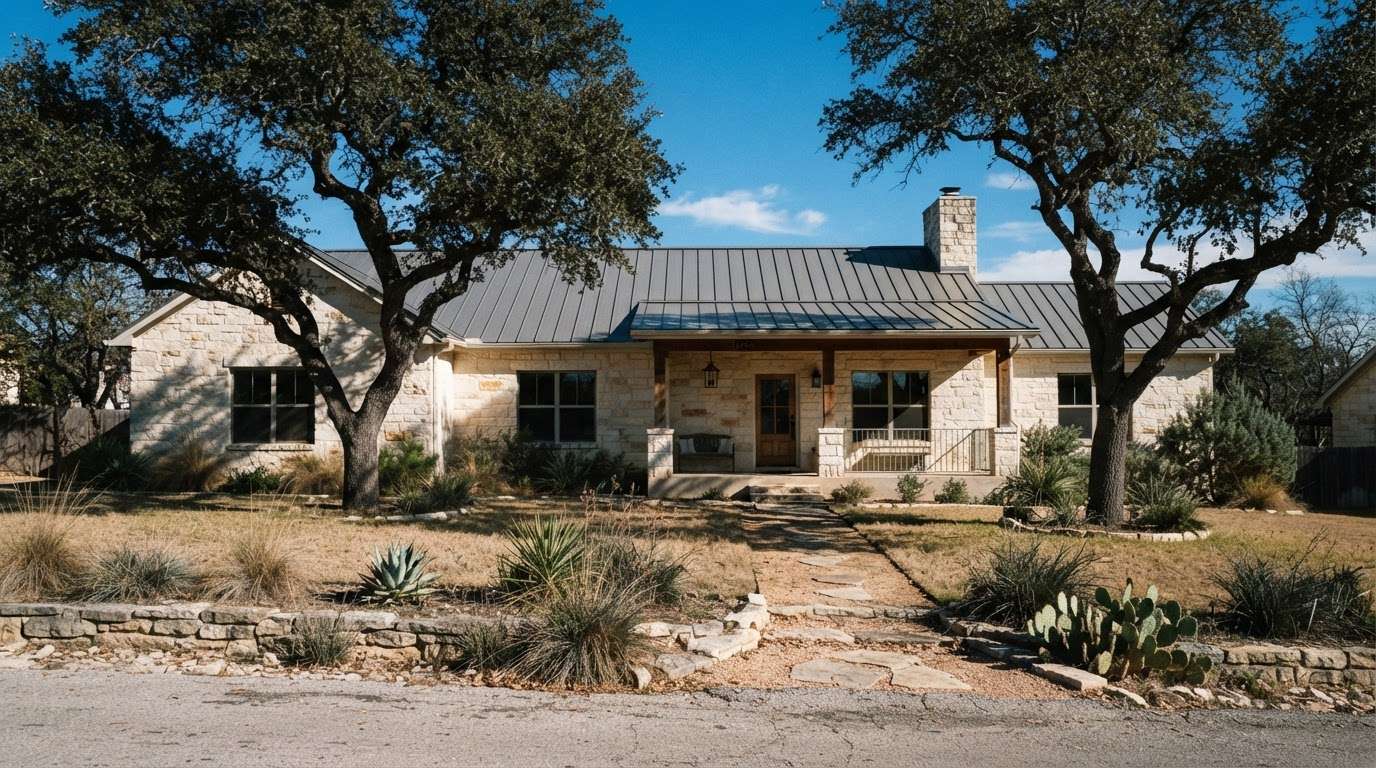
What It Is
A home inspection is a visual inspection of a house’s structure and systems that are accessible on the day. The inspector evaluates the major systems, how they work together and what needs watching, repair or replacement. Texas home inspections follow the Standards of Practice adopted by the Texas Real Estate Commission (TREC).
What Gets Inspected
- Foundation
- Roofing
- Exterior walls and siding
- Porches and decks
- Attic
- Electrical systems
- Plumbing systems
- Interior
- Doors and windows
- Heating and cooling (HVAC) systems
- Ventilation
- Fireplaces
I = Inspected · NI = Not Inspected · NP = Not Present · D = Deficient: the columns on TREC’s inspection report form.
Checked = Inspected (I), the first column on TREC’s report form.
What’s Outside the Scope
- Anything concealed, inaccessible or not visible on the day of the inspection.
- Destructive or invasive testing. Walls, floors and ceilings aren’t opened up.
- Engineering analysis. If something needs a closer look, the report says what kind of engineer or specialist to call.
- Repairs or repair referrals. We don’t repair or refer work on homes we inspect, so there’s no conflict of interest.
- Code compliance certification or an appraisal of value.
Booking Details
- Who It’s For
- Buyers under contract on a resale home
- Buyers closing on a newly built home
- Homeowners who want a baseline of their home’s current condition
- Sellers getting ready to list, who order it as a pre-listing inspection
- When to Order It
- As soon as you have a signed contract. The option period, when a standard Texas contract lets you back out, is short. Book early and leave time to act on the report.
- Who Performs It
- A TREC-licensed Nunnallee inspector. Inspections are performed under Kyle Nunnallee’s TREC Professional Inspector license #6371. Verify with TREC
In the Austin Market
- Many Central Texas homes sit on slabs over expansive clay, which swells when wet and shrinks in drought. Some movement is normal. The pattern and severity matter.
- Many Austin homes built since the 1980s have post-tension slabs, with steel cables (tendons) pulled tight inside. They can’t be cut or drilled until the tendons are found.
- Austin attics can top 130°F in summer. That heat shortens the life of ductwork, air handlers and roof decking.
- Hail and high winds reach Travis, Williamson and Hays counties, so roof condition deserves a close look.
Common Questions
Should I be there for the inspection?
You don’t need to be there for the whole inspection. Arrive near the end, and the inspector will walk you through the findings, answer questions and share maintenance tips. Sellers: please give the buyer this time with the inspector.
How long does a home inspection take?
It depends on the age, size and upkeep of the home, plus any add-on inspections you order, such as a sprinkler or WDI (termite) inspection. Call the office with the details, and we’ll estimate it before you schedule.
How much does a home inspection cost?
Fees depend on four things: the square footage, the age of the home, the number of heating and air conditioning units, and the location. Call the office or start the online scheduler for a quote on your home.
Do home inspectors find every problem?
No. An inspection covers what can be seen and reached on inspection day, and no house or inspector is perfect. The report tells you the condition, so you can decide what matters. If major problems turn up, you or your agent can negotiate repairs, price or terms before closing.
Often Ordered with This
Five services often booked with this one, and what each covers.
WDI (Termite) Inspection
An inspection for visible signs of termites and other wood destroying insects.
Pool & Spa Inspection
An inspection of the pool or spa equipment, electrical panel and visible plumbing.
Irrigation / Sprinkler Inspection
A working check of the sprinkler system: controller, zones, heads and visible leaks.
Septic System Inspection
An inspection of the septic system on a home that isn’t on city sewer.
Infrared Thermal Imaging
A scan of surface temperatures that can point to hidden moisture, energy loss or hot spots.
Schedule Your Inspection
Book online in a few minutes, or call and we’ll set it up with you.