Home Inspection Resources · 7 min read
What Does an Austin Home Inspection Include?
By Nunnallee Inspections ·
The Short Answer
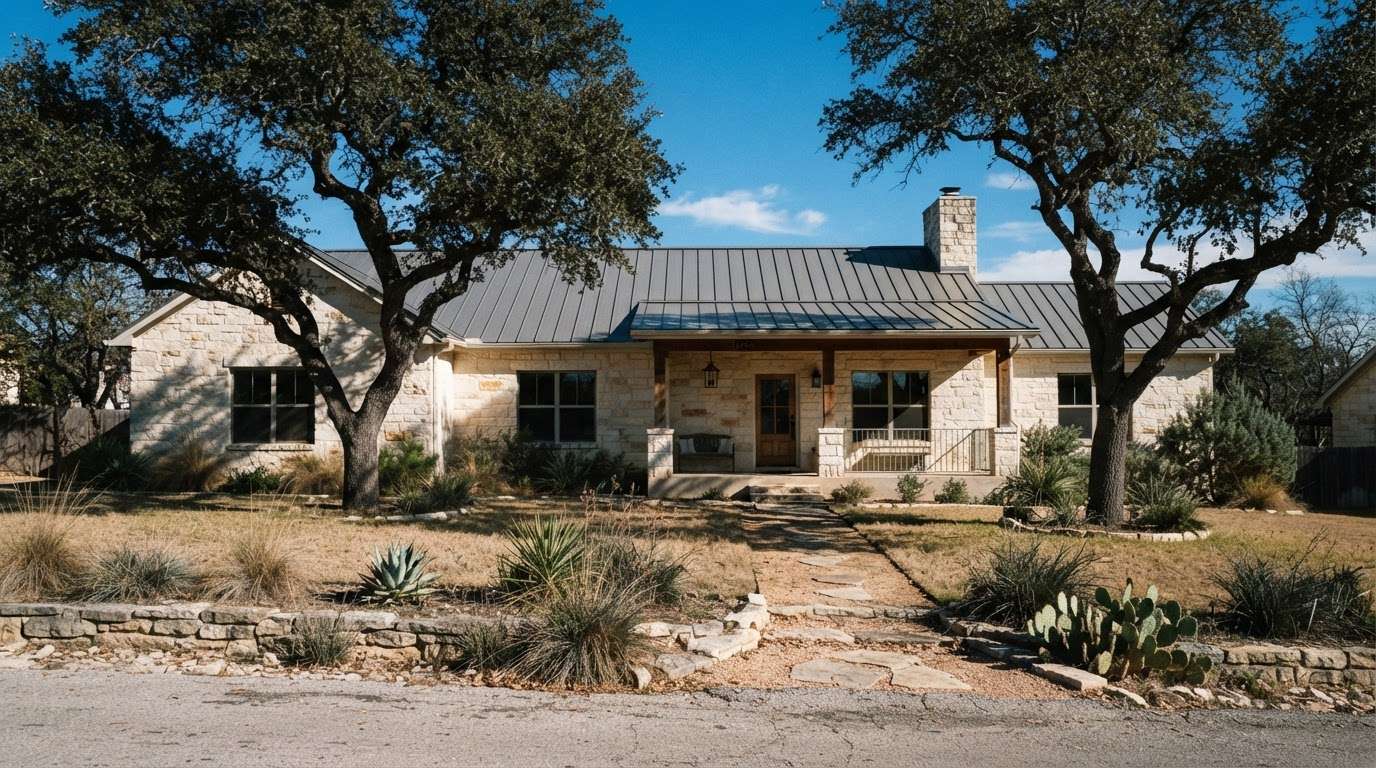
An Austin home inspection is a visual inspection that follows the Standards of Practice adopted by the Texas Real Estate Commission (TREC). A Nunnallee inspection covers the accessible structure and major systems, from the foundation and roof to the electrical, plumbing and heating and cooling (HVAC) systems. Most reports arrive by email as a PDF within 24 hours.
The Scope, in Full
Every licensed Texas inspector follows the same TREC Standards of Practice, which set the minimum requirements for a real estate inspection. That gives you a useful floor: two competent Texas inspectors examining the same house are looking for broadly the same things.
In practice, a Nunnallee residential inspection covers:
- Foundation — the type, its visible condition and any evidence of movement at the time of the inspection
- Roofing — covering, flashing, penetrations and drainage, inspected from wherever it can be safely and meaningfully viewed
- Exterior walls and siding — cladding, trim, and how water is being directed away from the structure
- Porches and decks — structure, attachment and walking surfaces
- Attic — framing, insulation, ventilation and any visible evidence of leaks or pests
- Electrical systems — service, panel, branch circuits, and installed devices and fixtures
- Plumbing systems — supply, drainage, fixtures, and water heating equipment
- Interior — walls, ceilings, floors, stairs and installed appliances within scope
- Doors and windows — operation, glazing and weather sealing
- HVAC — heating and cooling equipment, distribution and performance at the time of the inspection
- Ventilation — bath, kitchen and attic ventilation
- Fireplaces — firebox, hearth and visible components
What Is Deliberately Outside the Scope
A home inspection is visual and non-invasive. Walls, floors and ceilings are not opened up.
The limits matter as much as the coverage, and a report that pretends there are none is not doing you a favor.
- Anything concealed, inaccessible or not visible at the time of the inspection
- Destructive or invasive testing of any kind
- Engineering analysis — where a system or structure needs a costly, detailed analysis, the report tells you what kind of professional to engage
- Code compliance certification and property valuation
- Repair work of any kind
Add-On Services
Some inspections sit outside the standard scope. You order them as add-on services when you schedule the home inspection. You can add:
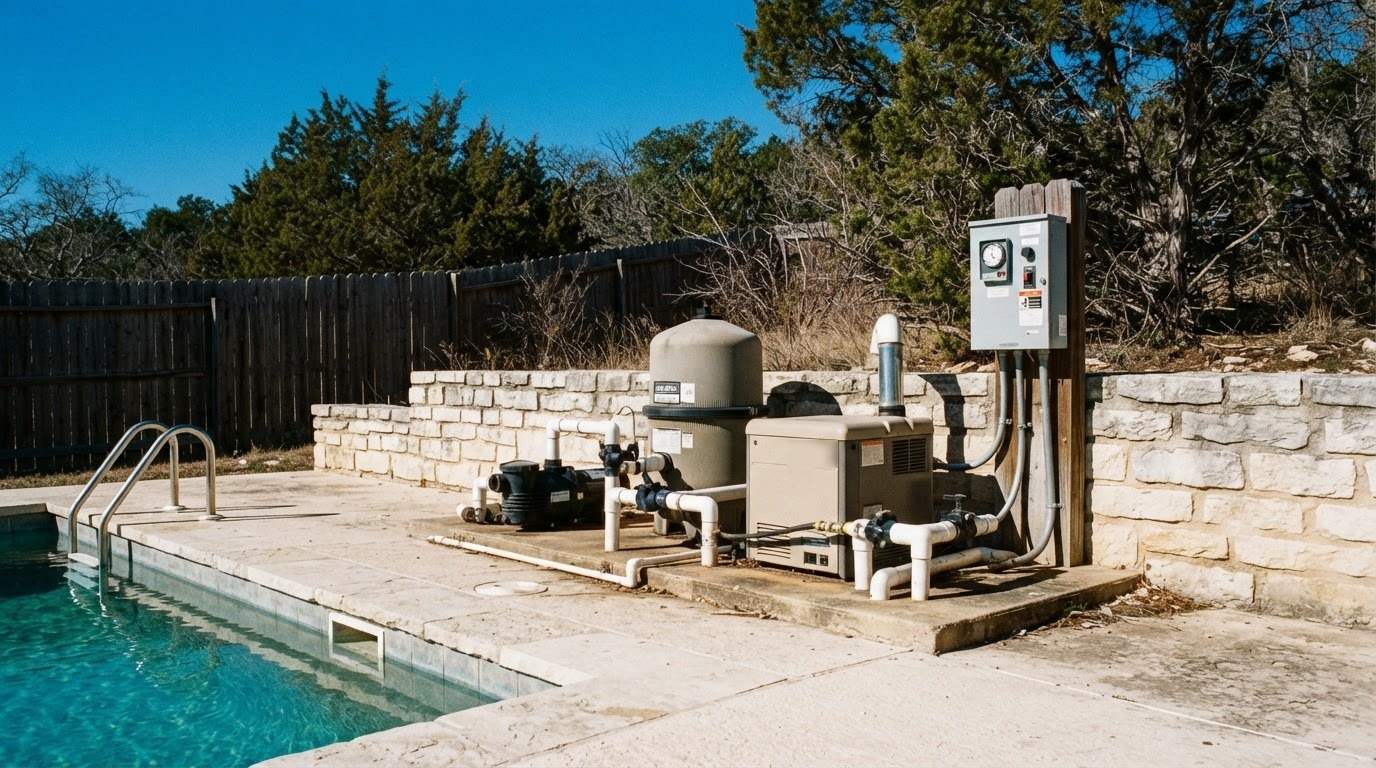
- Pool and spa — a pool is separate equipment, plumbing and electrical service, and is not covered by a standard home inspection
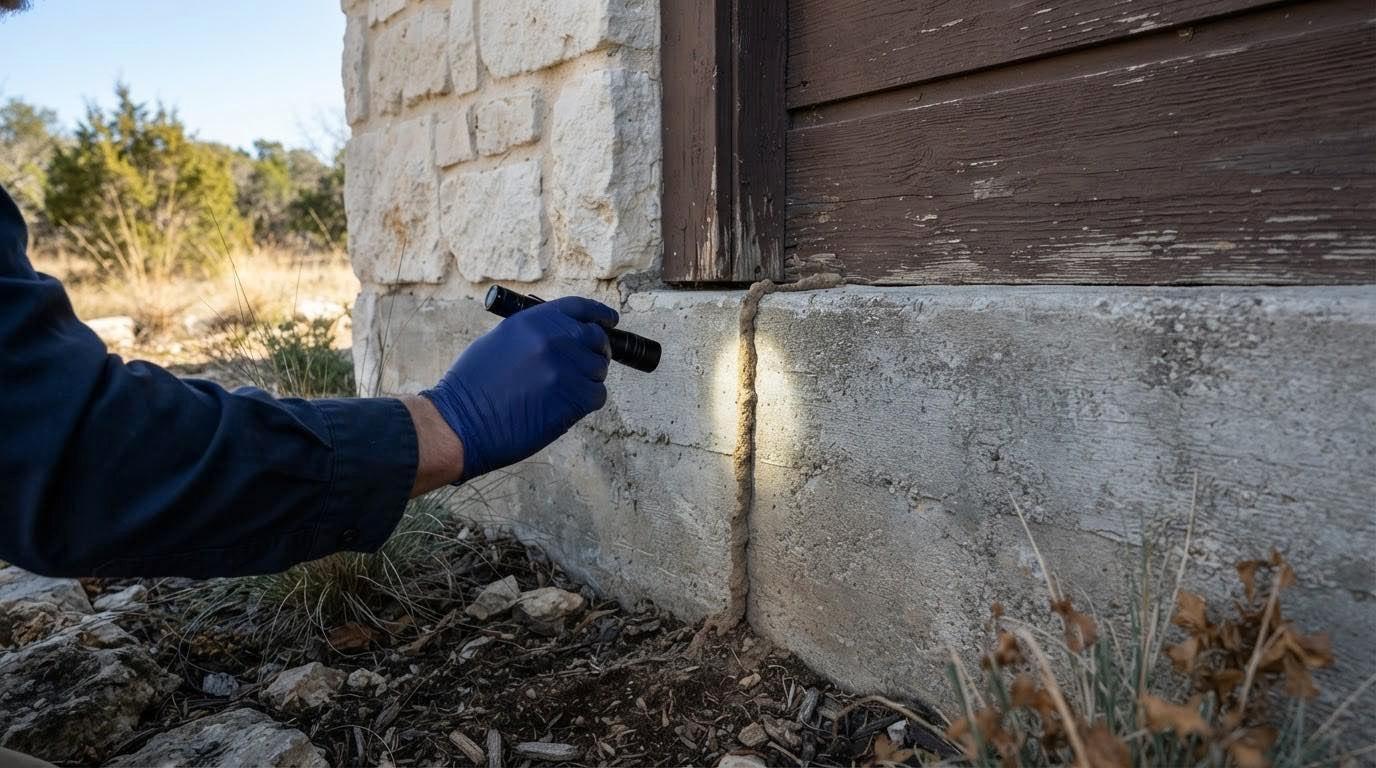
- WDI (termite) — a wood destroying insect inspection is reported on its own official form, separate from the inspection report
- Irrigation / sprinkler — zones, heads, controller and visible leaks
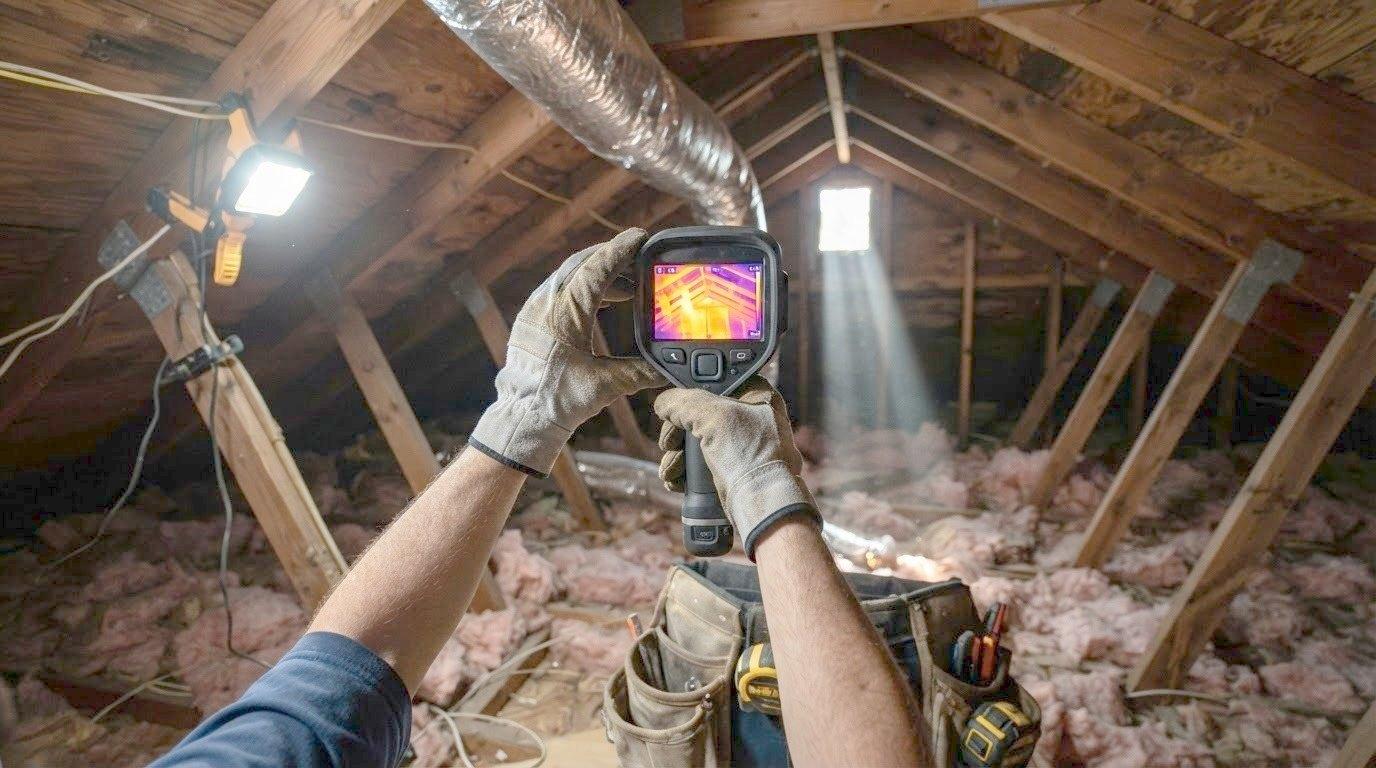
- Infrared thermal imaging — a scan of surface temperatures that can point to moisture or missing insulation (availability varies)
- Septic — a separate inspection of an on-site sewage facility; call to confirm arrangements for your property and county
- Sewer scope — a camera inspection inside the buried main sewer line
- Zip Level readings — floor elevation measurements across the foundation
- Outbuilding or ADU (accessory dwelling unit) — a detached guest house, garage apartment or workshop
What Happens on Inspection Day
The inspector starts at the appointed time and performs the inspections you ordered. Once they’ve seen the property, they’ll tell you a good time to arrive. We recommend coming near the end for a walk-through of the findings. It’s your chance to ask what each finding means for the house you’re buying.
What You Receive
The report arrives by email as a PDF, usually within 24 hours. It’s organized by system, with photographs throughout and deficiencies called out.
When to Schedule It
Schedule it as soon as you have a signed contract. Your option period, while you can still back out, is short, and the inspection, any add-ons and your repair requests all have to fit inside it.
Frequently Asked Questions
How much does a home inspection cost?
Fees depend on four things: the square footage, the age of the home, the number of heating and air conditioning units, and the location. Call the office or start the online scheduler for a quote on your home.
Is a termite inspection part of a Texas home inspection?
No. A wood destroying insect (WDI) inspection is an add-on service. You order it with the home inspection, and it’s done on the same visit.
Do home inspectors find every problem?
No. An inspection covers what can be seen and reached on inspection day, and no house or inspector is perfect. The report tells you the condition, so you can decide what matters. If major problems turn up, you or your agent can negotiate repairs, price or terms before closing.