Home Inspection Resources · 8 min read
Common Problems Found in Central Texas Homes
By Nunnallee Inspections ·
The Short Answer
The most common findings in Central Texas homes fall into six groups: foundation movement, drainage, attic heat, hail damage, wiring and plumbing in older homes, and loose ends in new construction.
1. Foundation Movement on Expansive Clay
Most of the Austin metro sits on soil that swells when wet and shrinks when dry, and a slab on that ground moves with it.
Seasonal movement is normal here in a way that would alarm inspectors elsewhere. The useful question isn’t whether a slab has moved, but the pattern and severity of the movement.
The slab itself is mostly hidden, so the report records the signs of movement:
- Diagonal cracks above doors and windows
- Doors that bind at the top corner
- Separated brick mortar
- Sloping floors
- Gaps at trim and cabinetry
Where the pattern warrants it, the report recommends evaluation by a structural engineer.
Post-Tension Slabs
Post-tension slabs, with steel cables (tendons) pulled tight inside the concrete, are common in Austin construction from the 1980s onward. They perform well on this soil, with one practical catch every owner should know.
You can’t cut or core (drill through) the slab without locating the tendons first, whether for a plumbing repair or a moved shower drain. It’s routine when planned and expensive when it isn’t.
2. Drainage That Works Against the House
On expansive clay, drainage is part of the foundation story.
Water held against the house can set off movement, and the causes are ordinary and fixable:
- Grading that falls back toward the slab instead of away from it
- Downspouts discharging at the foundation rather than beyond it
- Irrigation heads spraying the foundation or the siding
- Flower beds and mulch built up above the slab edge
- Blocked or missing gutters
3. Heat, Attics and Mechanical Wear
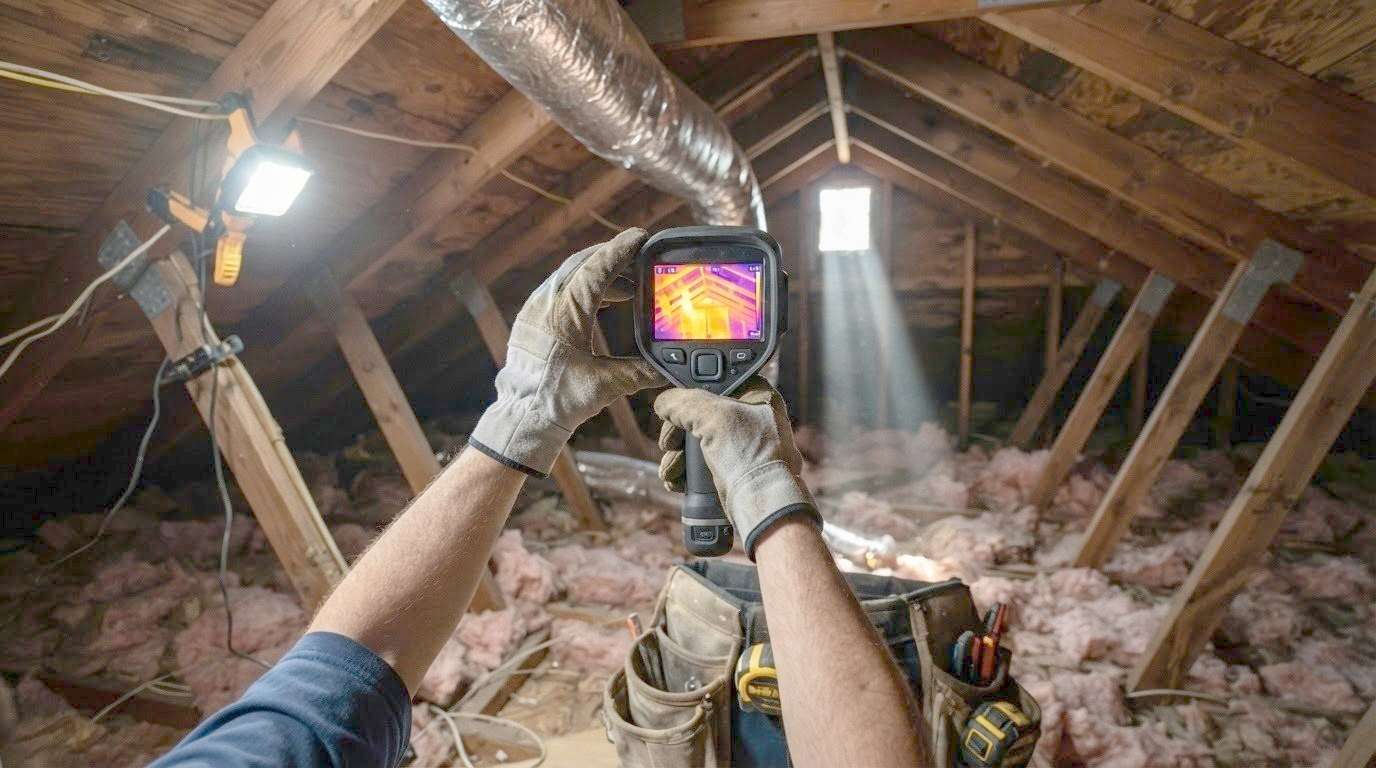
Attic temperatures in Central Texas can pass 130°F in summer. Air handlers, flexible ducts and furnaces in the attic wear out faster in that heat. Other attic findings can include separated duct connections and displaced or compressed insulation.
Roof decking and shingles take the same beating from above. Sun exposure on the south and west elevations ages coverings unevenly, which is why a roof can look serviceable from one side of the house and not from the other.
4. Hail Damage
Hail is common across Travis, Williamson and Hays counties, so ask about the roof’s history on any purchase. A roof replaced after a storm still needs a close look. Dents in soft metals, like vents, flashing and gutters, can be the clearest sign a storm passed through.
5. Wiring and Plumbing in Older Homes
Austin’s housing stock spans decades of changing practice. The decade a house was built predicts a lot about what’s behind the panel cover.
In older homes, common findings include aging panels, missing grounding or bonding, and years of DIY circuit additions. Some older panels are from brands with a history of problems. Plumbing works the same way: the type of supply pipe tells you how much life it may have left.
6. New Construction Is Not Exempt
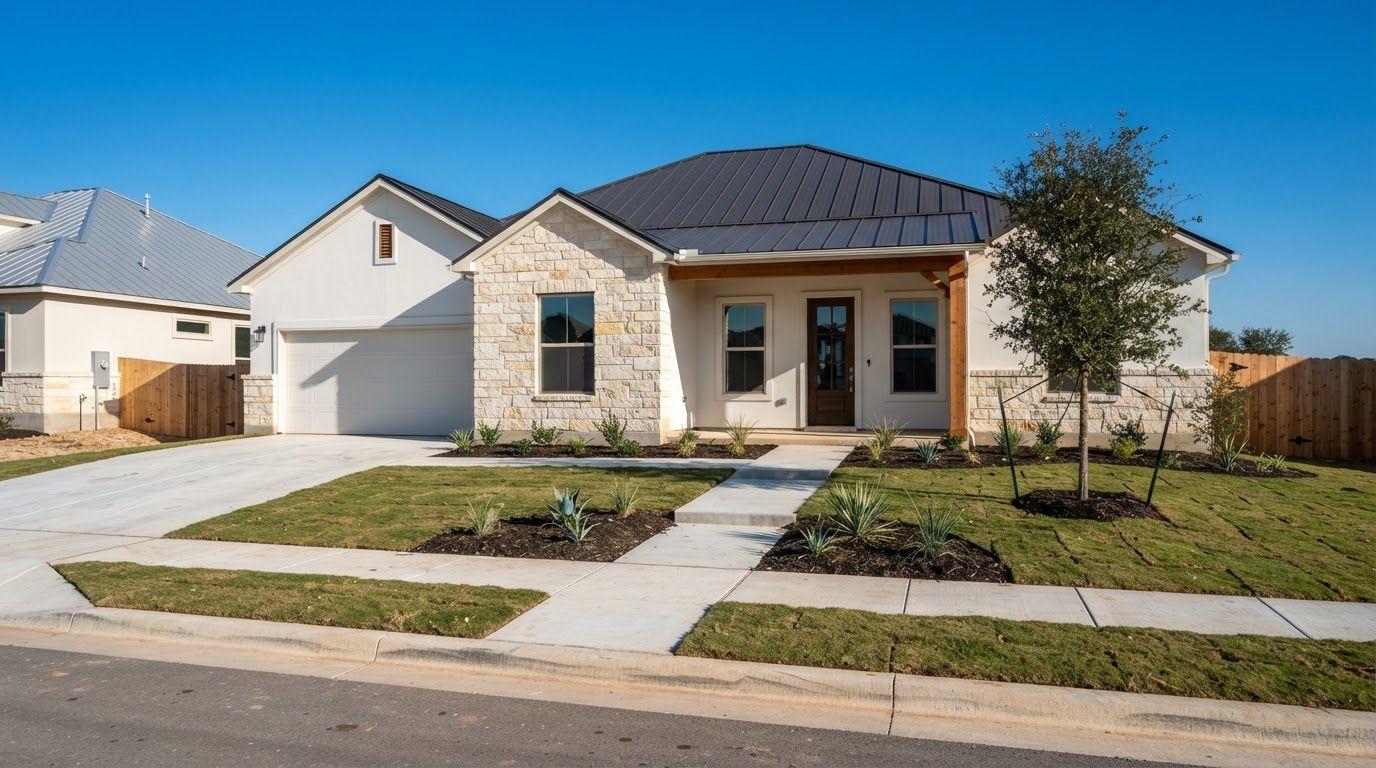
Central Texas builds fast, and volume construction has its own set of findings. They include grading that falls back toward the slab, unsealed pipe and vent penetrations, incomplete or displaced attic insulation, and duct runs crushed or disconnected during finish work. None of it is exotic. All of it is easier to raise before closing than after.
What to Do with All This
Knowing the regional pattern isn’t meant to scare you off Central Texas houses.
It helps you read your report with the right priorities:
- Drainage before cosmetics
- Remaining service life before minor defects
- Pattern before individual cracks
A good report tells you the condition of the house. What you do with it is your decision.
Frequently Asked Questions
Should I get a foundation engineer as well as a home inspector?
Not by default. If the inspection finds something that needs a detailed structural evaluation, the report will say what kind of engineer to engage.
How old is too old for a heating and cooling (HVAC) system in Central Texas?
Age alone doesn’t tell you. The report looks at the system’s condition and how it performs at the time of the inspection. Long cooling seasons here put heavy load on equipment, so it can wear out sooner than a national rule of thumb suggests.