Commercial Property Resources · 6 min read
Commercial vs. Residential Property Inspections
By Nunnallee Inspections ·
The Short Answer
The main differences are standards, scope, access, timing, pricing and reporting. A Texas residential inspection follows the TREC Standards of Practice, with a fixed scope and a report usually within 24 hours. Commercial work has no single statewide standard. Scope and price are set per building, access is coordinated with tenants and managers, and large-building reports take longer.
1. the Standard
Residential: TREC adopts a Standards of Practice that establishes the minimum requirements for a real estate inspection, and every licensed Texas inspector follows it. You get a known floor without asking for it.
Commercial: no equivalent single statewide standard governs scope. That’s the root of most of the other differences here, and it’s why the first commercial conversation is about scope, not price.
2. the Scope
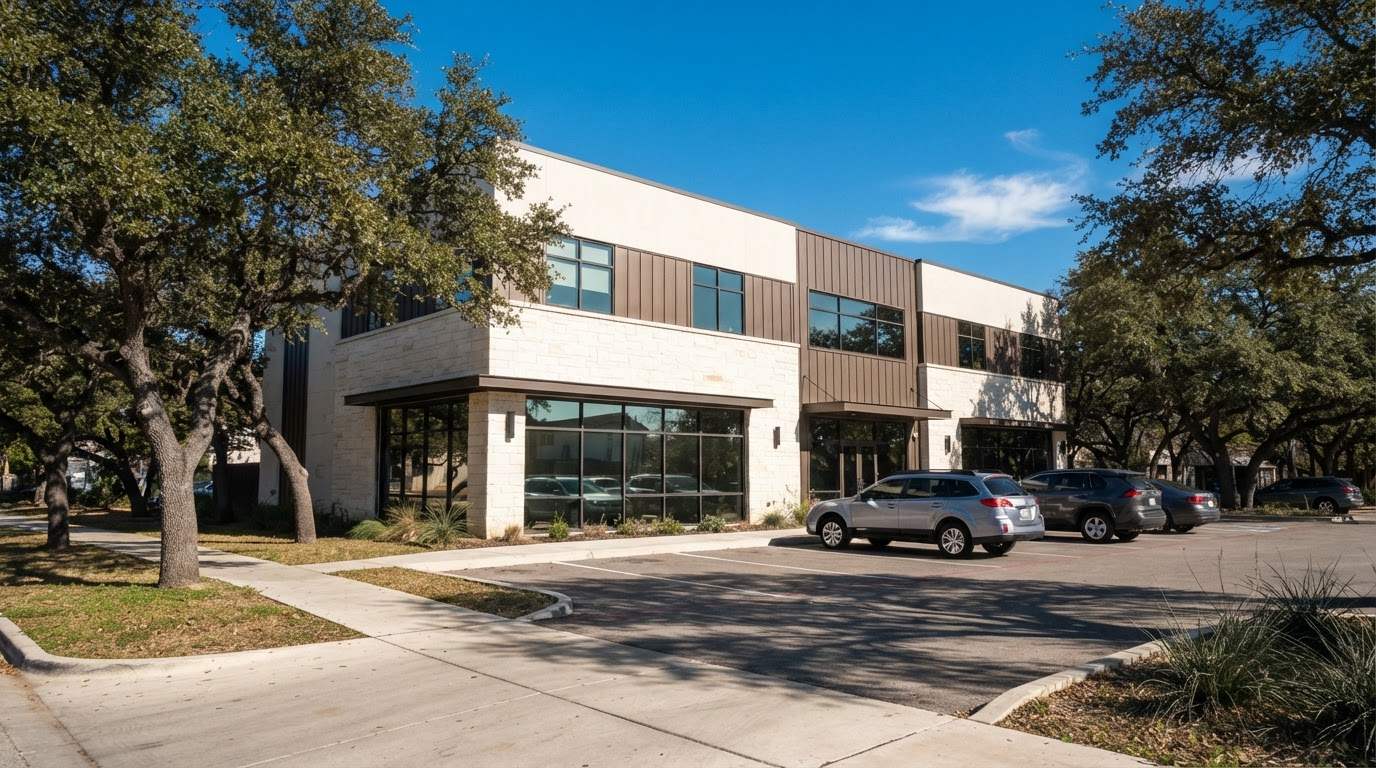
Residential scope is fixed before you call. Commercial scope is set by the building and the decision. A vacant single-tenant warehouse bought by an owner-occupier needs different work from a partly occupied mixed-use building bought by an investor, even at the same square footage.
3. Access
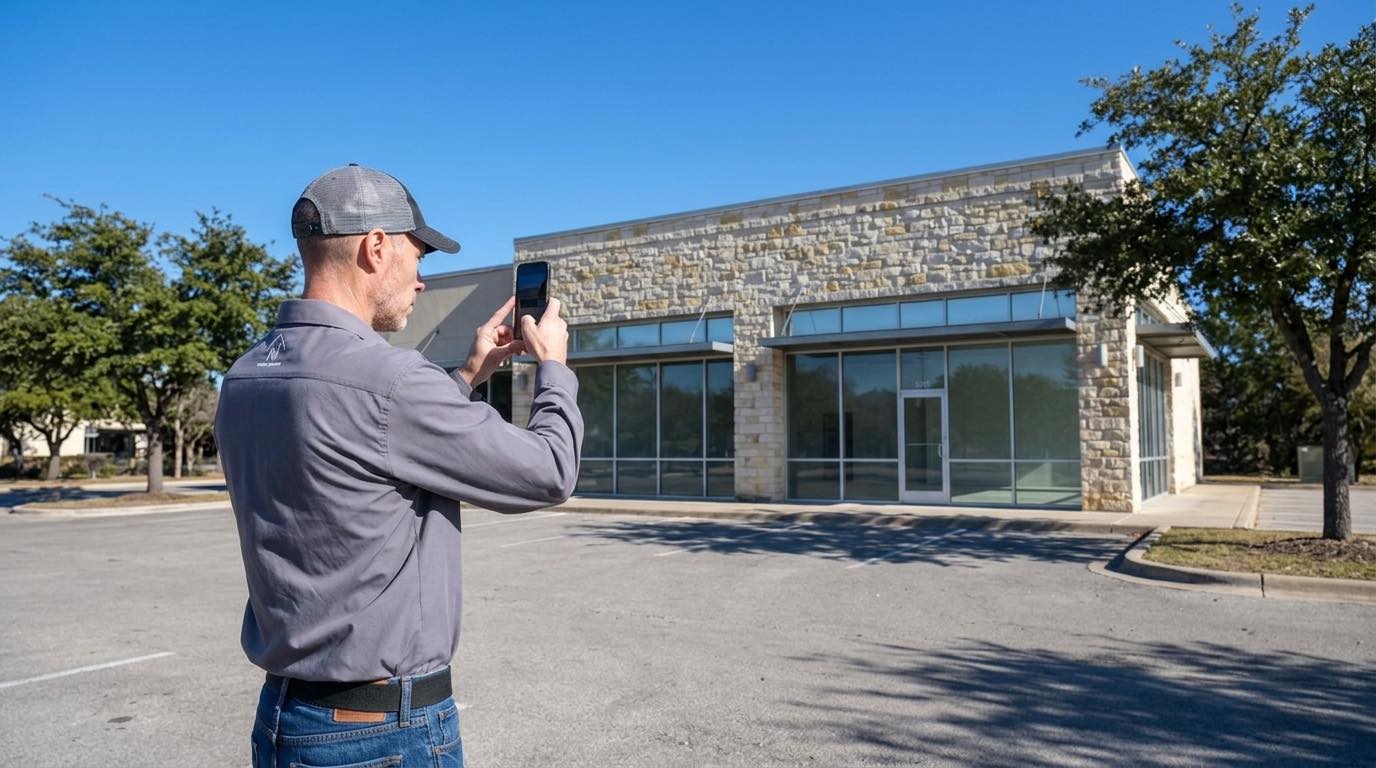
A residential inspection needs a lockbox. A commercial inspection needs all of this, arranged before the inspection date, not on it:
- Tenants notified
- A property manager coordinated
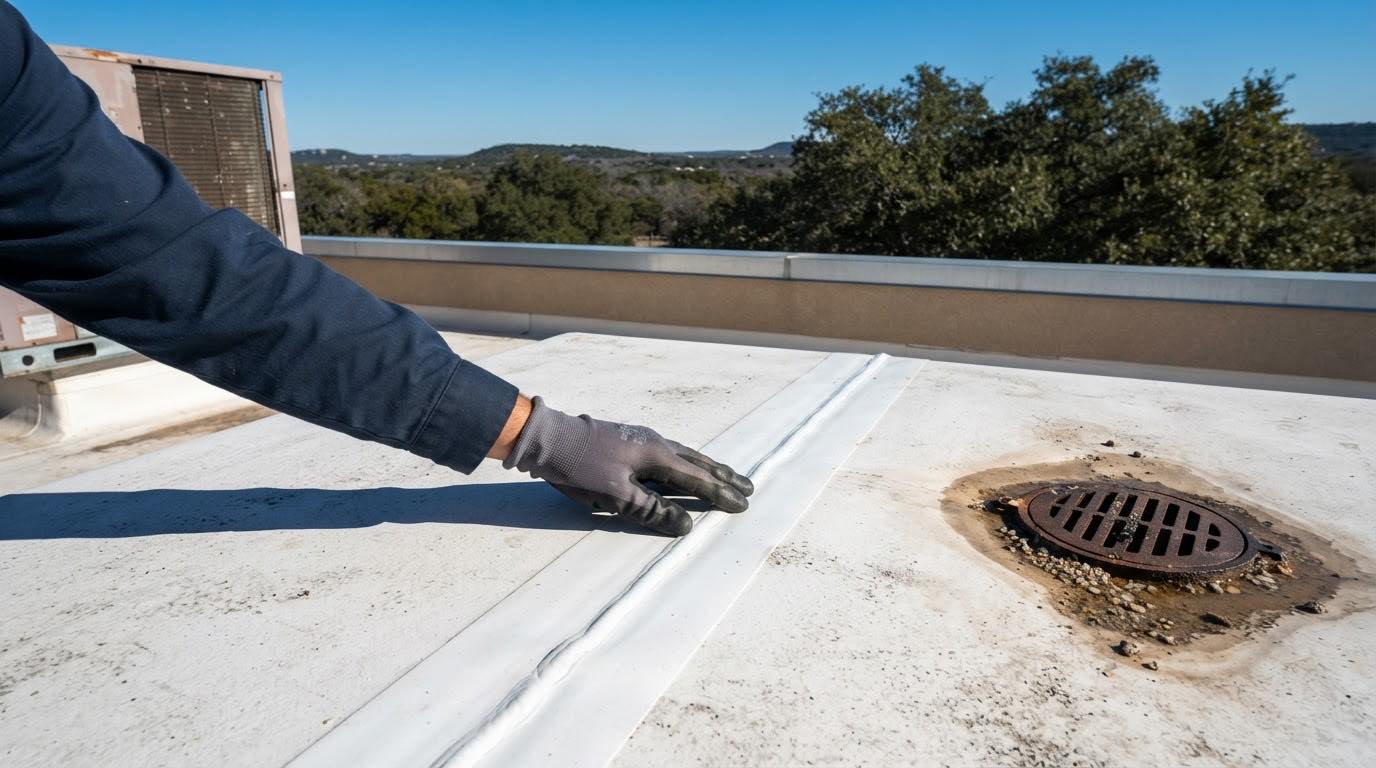
- Someone who can open the roof hatch, the mechanical room, the electrical room and the sprinkler riser room
4. Timing
Most residential reports arrive within 24 hours. Reports on large commercial buildings take longer. Plan the whole engagement backward from your due-diligence deadline: scoping, proposal, access coordination, inspection and reporting. Commercial buyers who treat inspection as a late-stage errand can run out of time.
5. Pricing
Residential pricing turns on four factors: square footage, age of the home, number of heating and air conditioning units, and location. Commercial work is quoted per property. Some jobs go to bid, and a bid can include scope options, so you choose the depth your decision needs.
6. Who Reads the Report
A residential report is written for the buyer. A commercial report is also read by lenders, investment committees and whoever manages the building later. It has a longer life and more readers, which changes what belongs in it.
What Stays the Same
Independence doesn’t change. Nunnallee does not perform or refer repair work on properties it inspects, residential or commercial. Nobody writing the report is quoting to fix what’s in it. On a commercial building, where findings can be expensive, that matters even more.
Frequently Asked Questions
Can a home inspector inspect a commercial building?
Commercial work differs from a home inspection in scope, access and reporting. Nunnallee inspects both, and two commercial sample reports are on our Sample Reports page.
Why can’t you give me a commercial price over the phone?
Commercial scope isn’t fixed, so there’s no price list to quote from. Request a proposal and we’ll quote the property on its own.
Does a commercial inspection replace an environmental site assessment?
No. It covers the building’s physical condition, not environmental contamination. If your lender or deal calls for a Phase I ESA, that’s a separate report by an environmental professional.