Commercial Property Resources · 7 min read
What Does a Commercial Property Inspection Include?
By Nunnallee Inspections ·
The Short Answer
A commercial property inspection evaluates the general overall condition of a commercial property, including its structure and components. Texas residential inspections follow one statewide standard, but commercial inspections have no equivalent. So the scope is agreed before work begins, based on the building and the decision you’re making. Each property is quoted individually, sometimes with several scope options.
Scope Is a Decision, Not a Default
Scope is the most important thing to understand about commercial inspection. A Texas home inspection arrives with its scope already settled. The TREC Standards of Practice apply to every residential inspection in the state, so a buyer doesn’t have to specify anything.
Commercial has no equivalent, so you and the inspector agree on the scope up front. A proposal written without that conversation is a guess.
What a Nunnallee Commercial Inspection Covers
- General overall condition of the property
- Structure and visible structural components
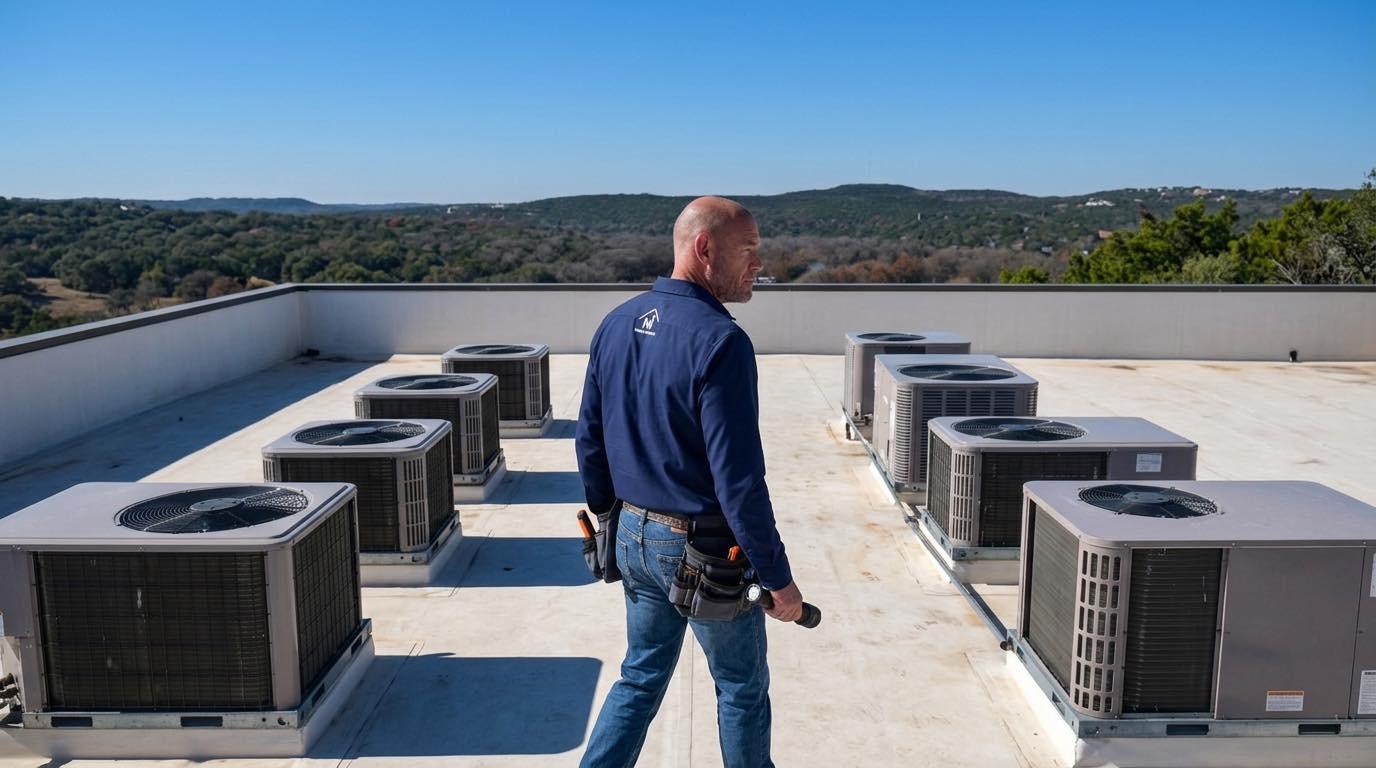
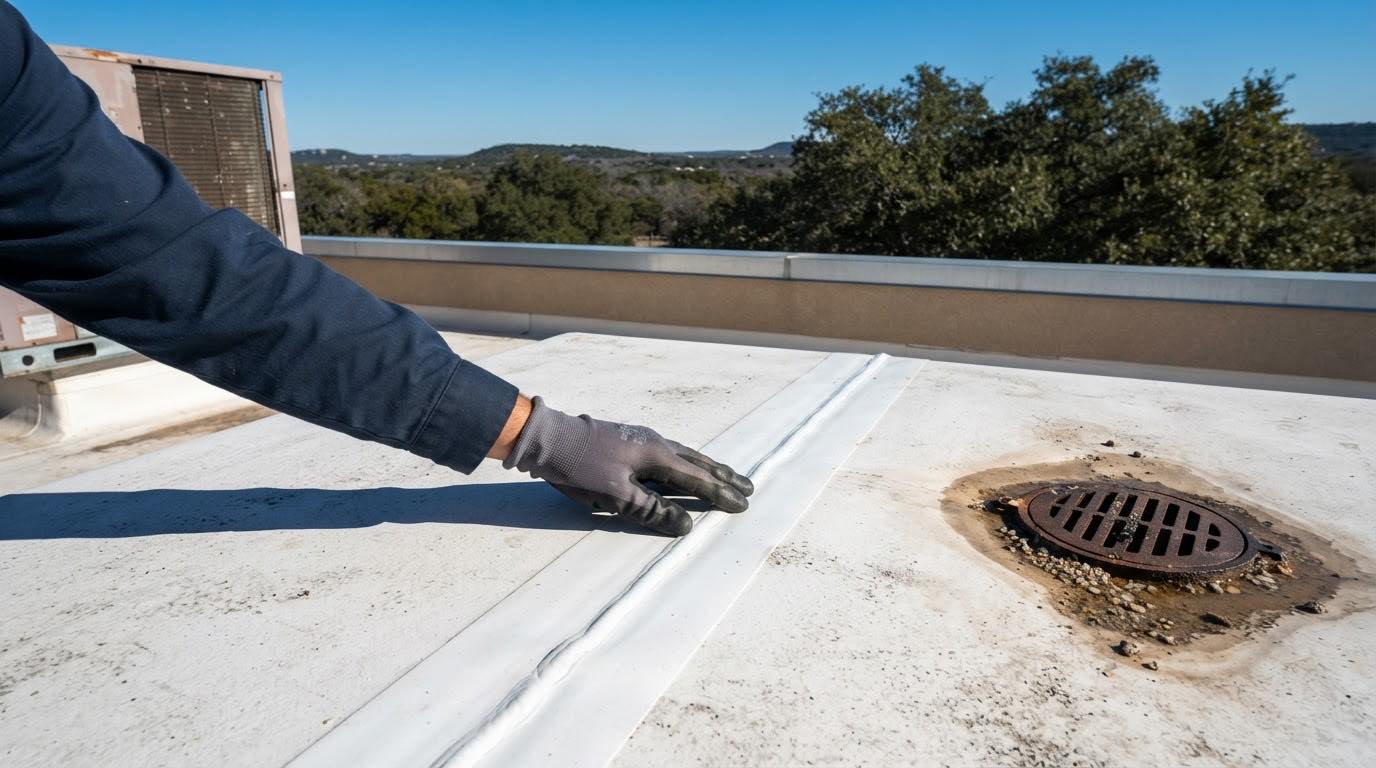
- Building envelope — roof, walls and openings
- Installed building components and systems observed at the property
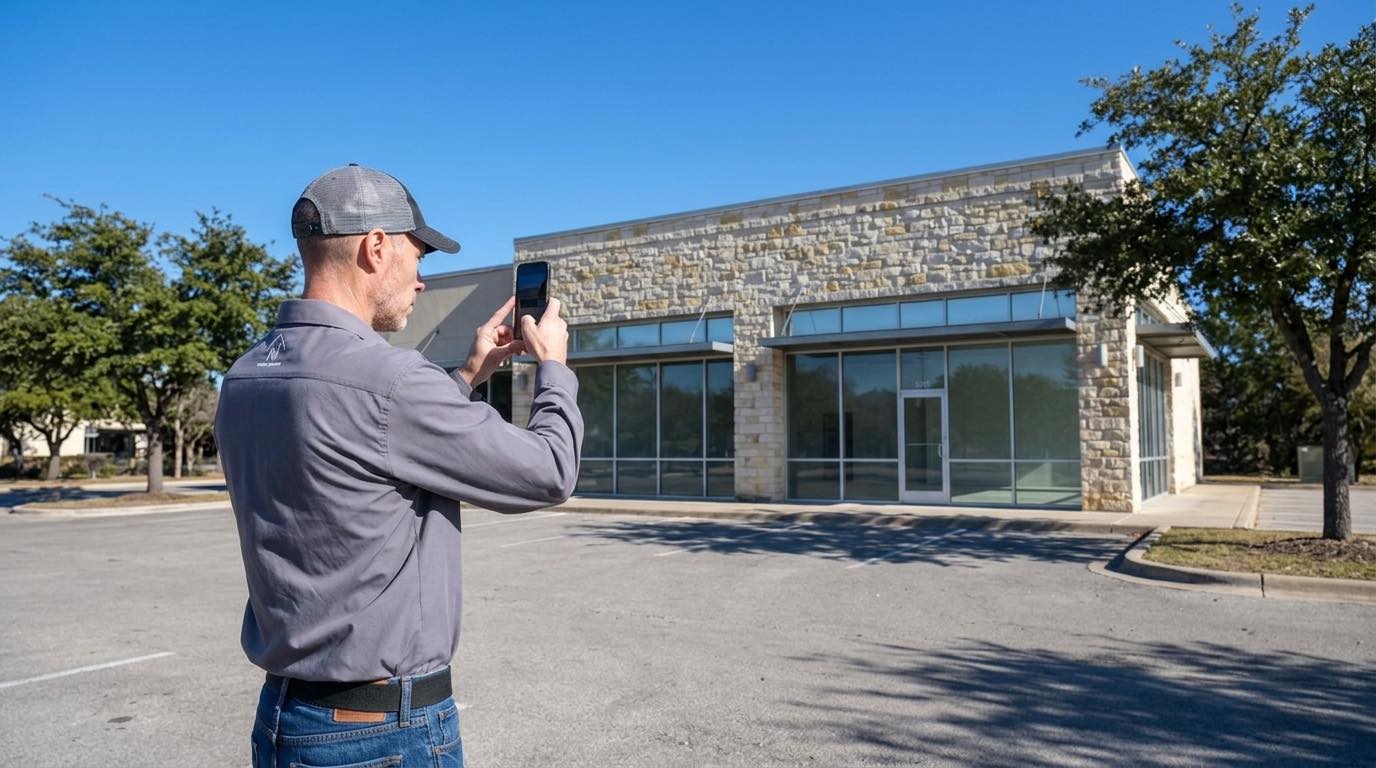
- Site conditions surrounding the building
Within that frame, what receives the most attention is driven by the building. A 1970s retail strip and a five-year-old warehouse have almost nothing in common in terms of what will matter to your decision.
What Is Outside the Scope
- Environmental site assessment (Phase I or Phase II ESA) — a separate discipline with separate practitioners
- Structural engineering analysis and load calculations
- Code compliance certification, zoning and life-safety plan review
- Anything concealed, inaccessible or not visible at the time of the inspection
- Specialist system certification — where a system needs a specialist, the report tells you so
How Commercial Inspections Are Priced
Each property is quoted on its own. Some jobs go to bid, and a bid can include scope options, so you choose the depth your decision needs.
Timing and Access
Two things take longer than residential buyers expect. Access is the first. Access to roof hatches, mechanical rooms and utility rooms has to be set up with tenants and property managers. If access isn’t arranged, those parts of the building can’t be inspected.
Reporting is the second. Most residential reports arrive within 24 hours, but reports on large commercial buildings take longer. Give us your due-diligence deadline when you request a proposal, so the schedule is built backward from it.
What to Send with a Proposal Request
- Property address, type and approximate square footage
- Number of buildings, and number of units where applicable
- Approximate year built
- Occupancy status — fully occupied, partially, vacant, owner-occupied
- Your due-diligence deadline
- Any known specialty systems: commercial kitchen, elevators, fire suppression, walk-in refrigeration, process equipment, solar
Frequently Asked Questions
How long does a commercial inspection take?
It depends on the size, age, occupancy and systems of the building, and on the scope agreed. There’s no standard figure, so duration is part of the scoping conversation.
Is a commercial inspection the same as a Property Condition Assessment?
No. A Property Condition Assessment follows ASTM E2018, a specific standard with its own defined deliverables.
Can I see a commercial sample report?
Yes. Two are on our Sample Reports page, with client names, addresses and business names removed.